Gillesbaron020824 5471
|
Discover the mountainsin complete safety
A space to share
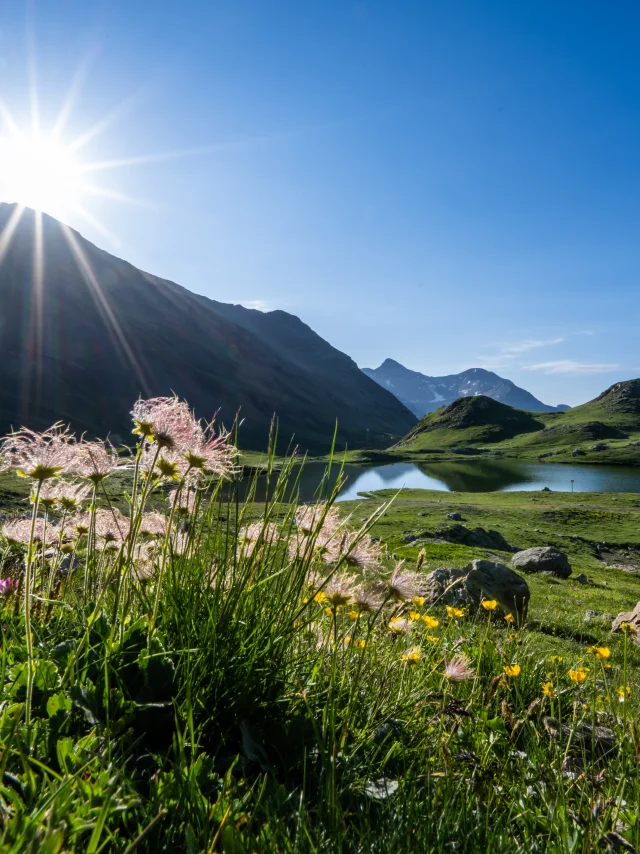
This exceptional region belongs, above all, to its inhabitants: over 1,800 plant species and 350 vertebrate animal species will accompany you on your adventures. Among the most visible, chamois and marmots inhabit the mountain pastures, whilst the golden eagle, in full flight, reveals the grandeur of the landscape… provided you remain quiet.
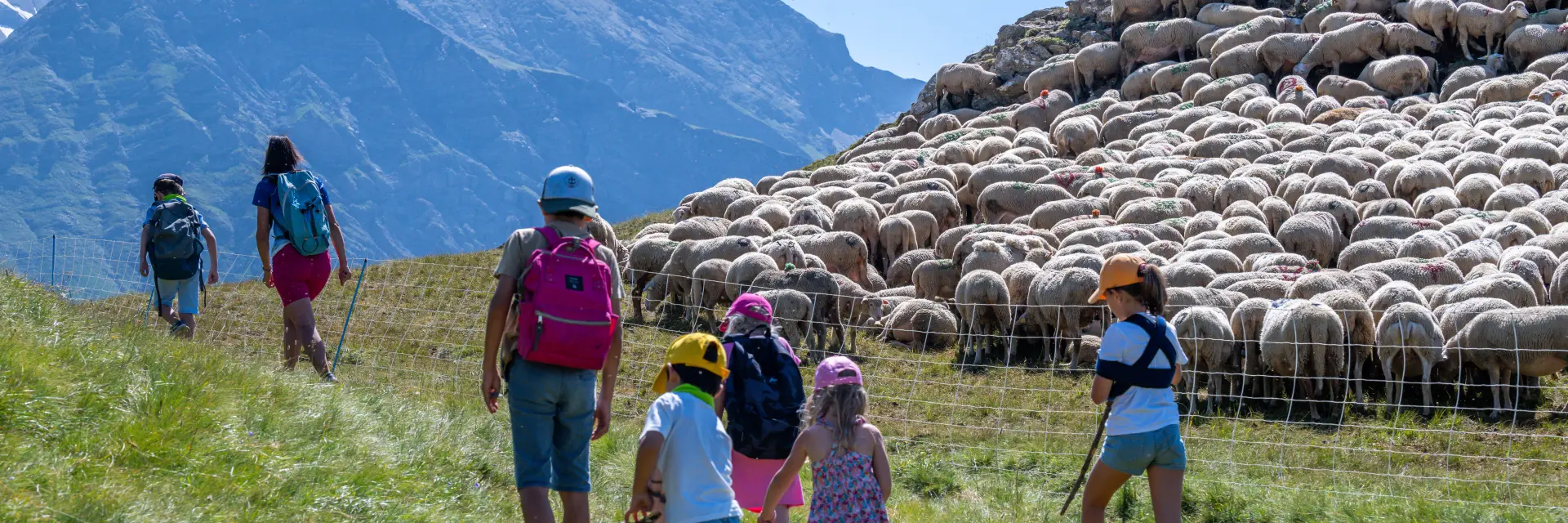
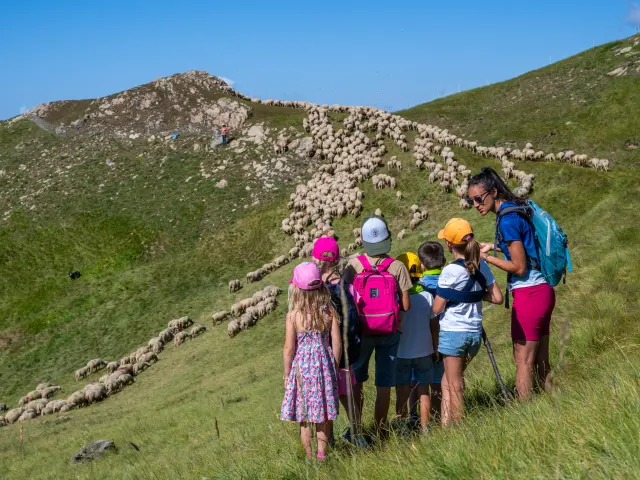
In the Champsaur, pastoralism is a historical, cultural and economic pillar. This method of livestock farming relies on the use of natural pastures: herders move their flocks with the seasons to graze them on the mountain pastures, whilst building up hay reserves for the winter.
You are therefore likely to come across herds whilst out hiking.
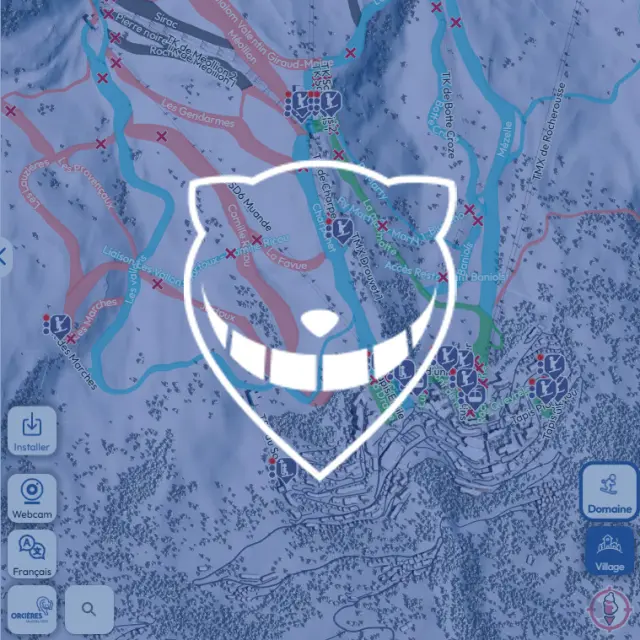
Check the grazing map to find out which areas are affected and when the herds are present.
Gillesbaron020824 5341
|
When you think of a herd, you think of...Protection dogs
Gillesbaron020824 5383
|
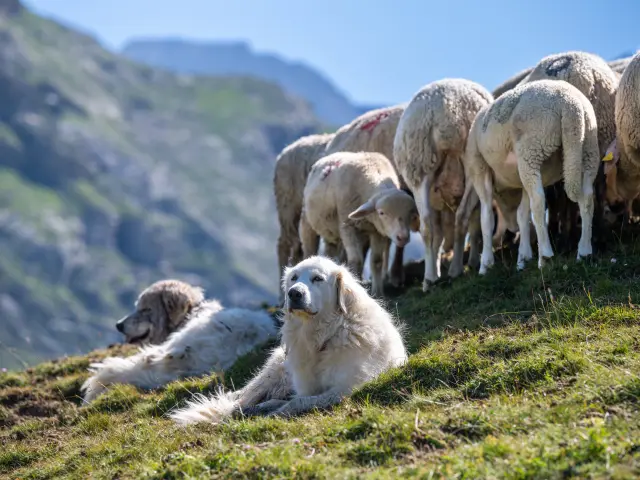
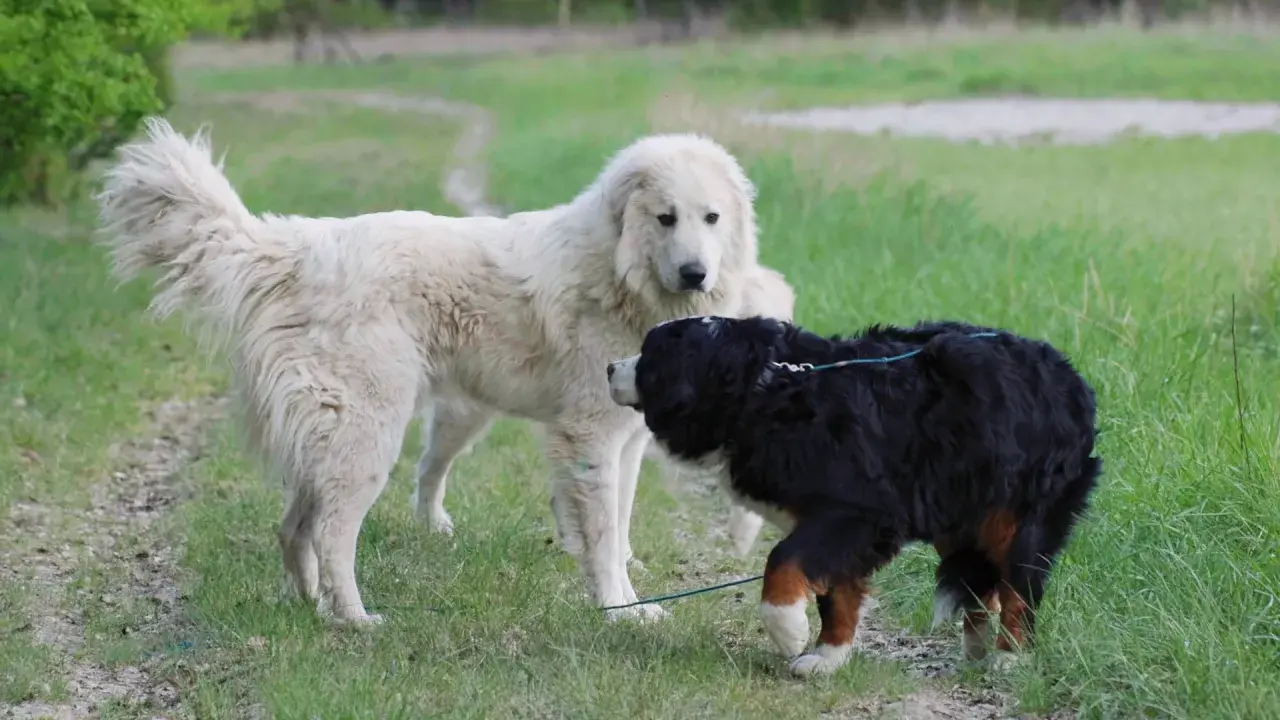
Found throughout our mountain pastures, these large, sturdy dogs have the sole task of protecting the flocks from predators.
True professionals (and not pets), they live day and night amongst the herds. Do not confuse them with herding dogs, which guide the herd alongside the shepherd: the guard dog, on the other hand, stands watch.
So, if it barks as you approach, this is not an aggressive act, but simply its way of asking you to keep your distance. Once the dog has identified you, it will return to its duty as a herd guardian. Continue on your way, remaining calm and without running.
Here are a few tips to ensure your meeting goes as smoothly as possible:
| When approaching the herd | When approaching a dog |
| 1/ Keep your distance: calmly walk round the herd as soon as possible without crossing through it | 1/ Stay calm: gather together and stand still facing the dog, with your arms and walking sticks held close to your body to give the dog time to assess you. |
| 2/ Make your presence known: slow your pace, speak or whistle so as not to startle the animals. | 2/ Reassure the dog: speak to it calmly to soothe it. Look away (or yawn) to show it that you are not a threat. |
| 3/ Wait: if the pack is blocking the path, stop to one side and let it move on. | 3/ No direct contact: do not stroke it – it is not a pet dog. |
| 4/ Whilst cycling or running: slow down and dismount to walk on foot. | 4/ If you feel stressed: place an object (rucksack, jacket, cap, etc.) between you and the dog to create some distance. |
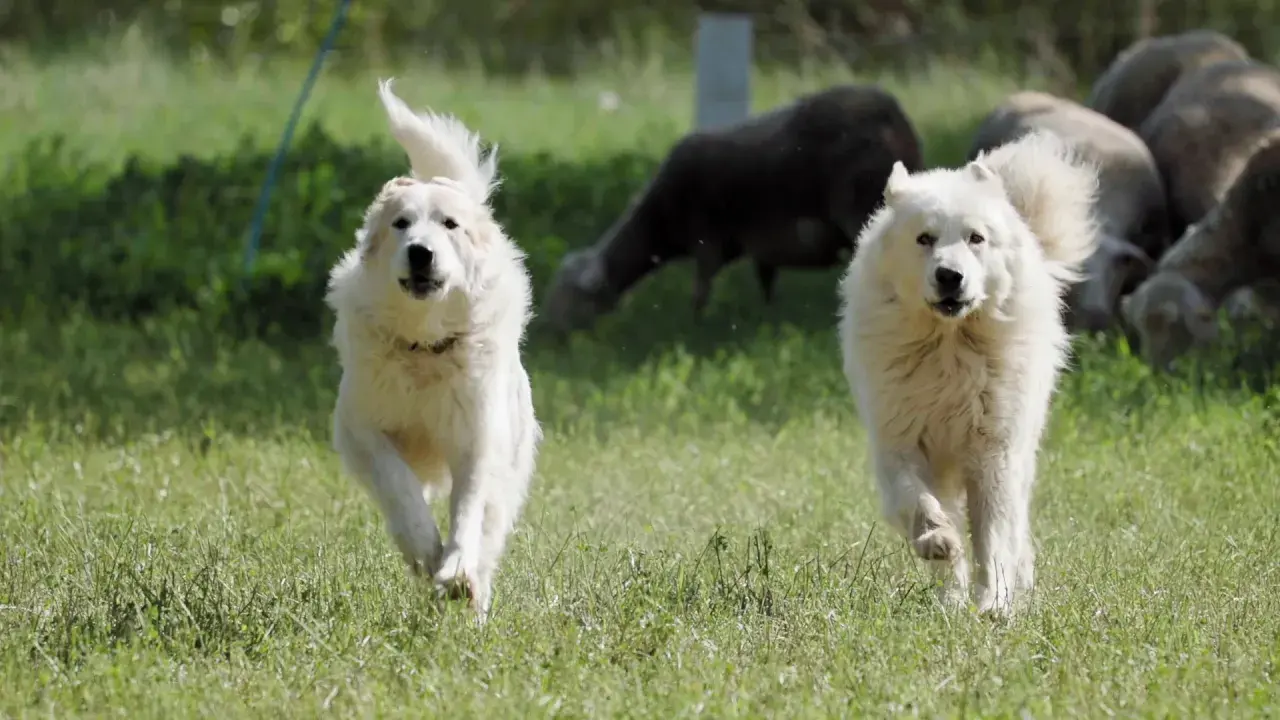
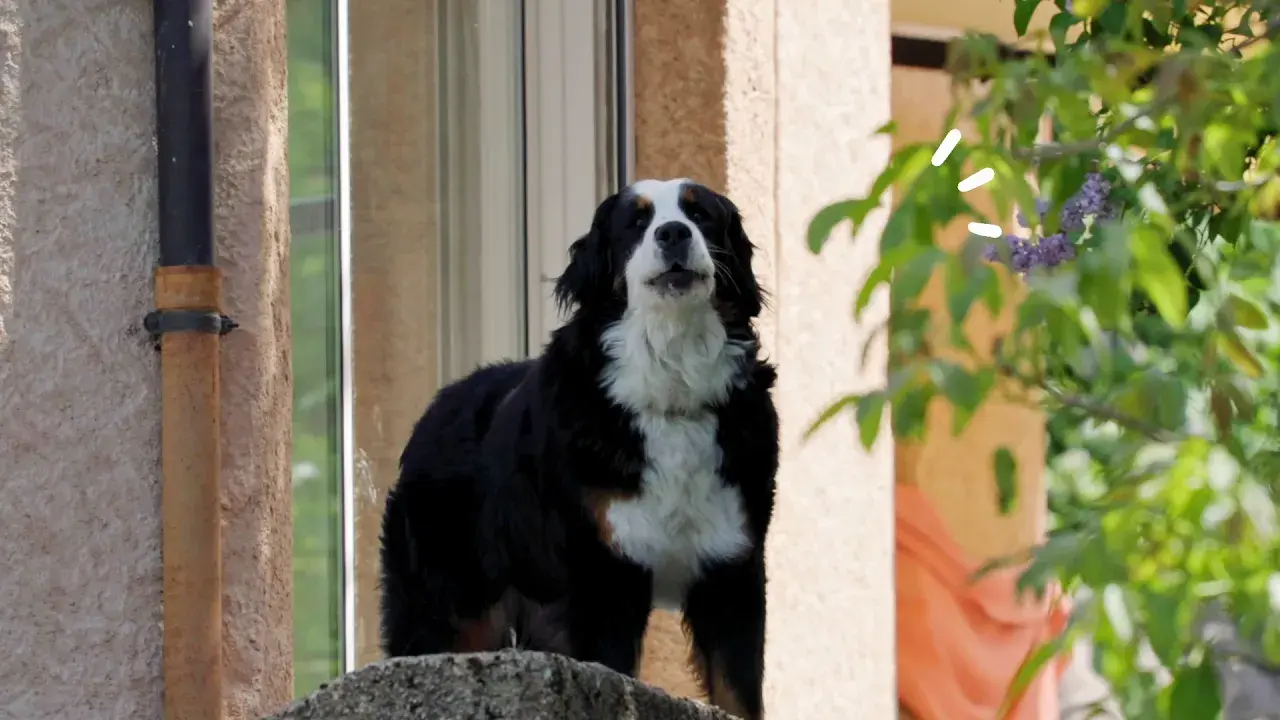
Understanding guard dogson video
FollowThe hiker's charter
You are responsible for respecting and looking after the areas you pass through; that is why you agree to abide by the hiker’s code of conduct that we have put in place. Simple, easy-to-follow tips 😉
Naturally, the first two recommendations concern:
1/ Your kit: start with a good pair of shoes (forget trainers and flip-flops!) that provide ankle support. Bring a rucksack with water (1 litre per person for a 2-hour walk) and follow the ‘three-layer rule’: the first layer to wick away sweat, the second to keep you warm, and the third to protect you from the wind or rain. Don’t forget to cover your head and use sun cream (SPF 50).
2/ The weather: ALWAYS check the conditions before setting off! This will allow you to adjust what you pack in your rucksack and reschedule your trip if a storm is forecast. In the mountains, the weather can change very quickly.
G Baron19 9533
|